Slopes That Hold Soil During Storms
Erosion Control in Douglas for disturbed ground, drainage areas, and construction sites losing topsoil
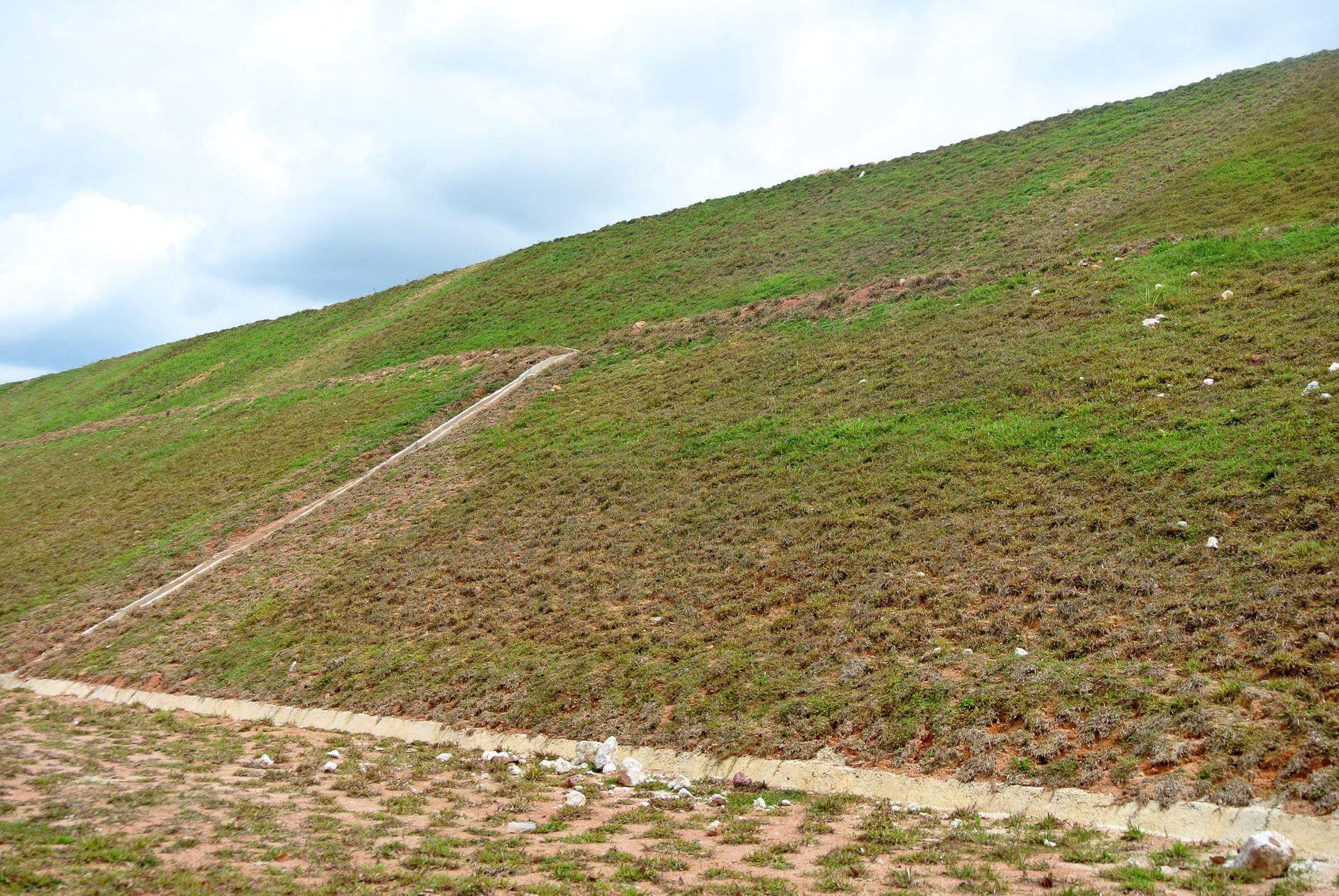
Exposed soil on slopes and construction sites moves downhill with every heavy rain, carrying topsoil into drainage paths and leaving bare subsoil that resists vegetation. SNAP Hydroseeding stabilizes these surfaces by applying a bonded mulch layer that anchors soil particles while establishing grass or groundcover that takes over long-term protection. Properties near drainage corridors or with graded slopes see immediate reduction in sediment movement once the mulch mat forms, and within weeks, root systems replace the temporary bonding agents as the primary erosion barrier.
The service addresses sites where runoff has created channels or exposed subsoil, particularly areas disturbed by grading, clearing, or heavy equipment. Solutions vary based on slope angle, soil composition, and whether the site needs temporary stabilization or permanent vegetation, with seed blends selected for root density and drought tolerance once established.
Request an erosion control evaluation to identify vulnerable areas and review site-specific stabilization options.
How Erosion Control Protects Your Land
Erosion control combines physical soil anchoring with vegetation establishment, using hydraulically applied mulch that bonds to slopes and seeds that germinate within that protective layer. The mulch absorbs rainfall impact, slowing water velocity across the surface so it infiltrates rather than running off. As roots develop, they create a network that holds soil in place even after the mulch decomposes, shifting from mechanical stabilization to biological anchoring.
After application, you'll see that rainfall no longer carves channels or exposes new soil layers on treated slopes. Water moves across the surface without picking up sediment, and the mulch layer remains intact through storm events that previously washed away loose dirt. Once grass or groundcover fills in, the area handles runoff without losing soil, and vegetation density increases season over season as root systems mature.
Customized recommendations account for whether the site needs quick temporary cover for compliance deadlines or long-term vegetation that supports native plant integration. Some projects require retaining walls or terracing in combination with hydroseeding, while others benefit from erosion control blankets on steep grades where slurry alone won't hold until germination completes.
Common Erosion Control Questions
Landowners dealing with soil loss want to know how quickly stabilization takes effect and what maintains it over time.
What types of sites need erosion control most urgently?
Construction sites with exposed slopes, drainage swales that channel runoff, and agricultural land where topsoil depth is critical all benefit from immediate stabilization to prevent further loss.
How soon after application does erosion control start working?
The bonded mulch layer provides immediate protection by absorbing raindrop impact and slowing water flow, while vegetation roots take over that role within two to three weeks as germination progresses.
Why does erosion happen more in Douglas during certain seasons?
Summer thunderstorms deliver high-intensity rainfall that exceeds soil infiltration rates, and the clay content in local soils forms a slick surface layer when saturated, both conditions that accelerate runoff velocity.
What happens if erosion control vegetation doesn't establish fully?
Follow-up applications address thin spots, and adjusting seed blends or adding soil amendments corrects underlying issues like compaction or nutrient deficiency that slow germination.
How does erosion control differ from standard hydroseeding?
Erosion control uses heavier mulch application rates and includes tackifiers that create stronger bonding, prioritizing soil anchoring over aesthetic turf quality in the initial phase.
SNAP Hydroseeding assesses slope angles, soil type, and drainage patterns to design an erosion control plan that stabilizes your site and supports healthy vegetation growth. Contact us to arrange a site evaluation for open land, construction zones, or any area where runoff is moving soil.