
Lawns That Establish Evenly From the Start
New Lawn Installation in Douglas for new construction, vacant lots, and properties replacing failed turf
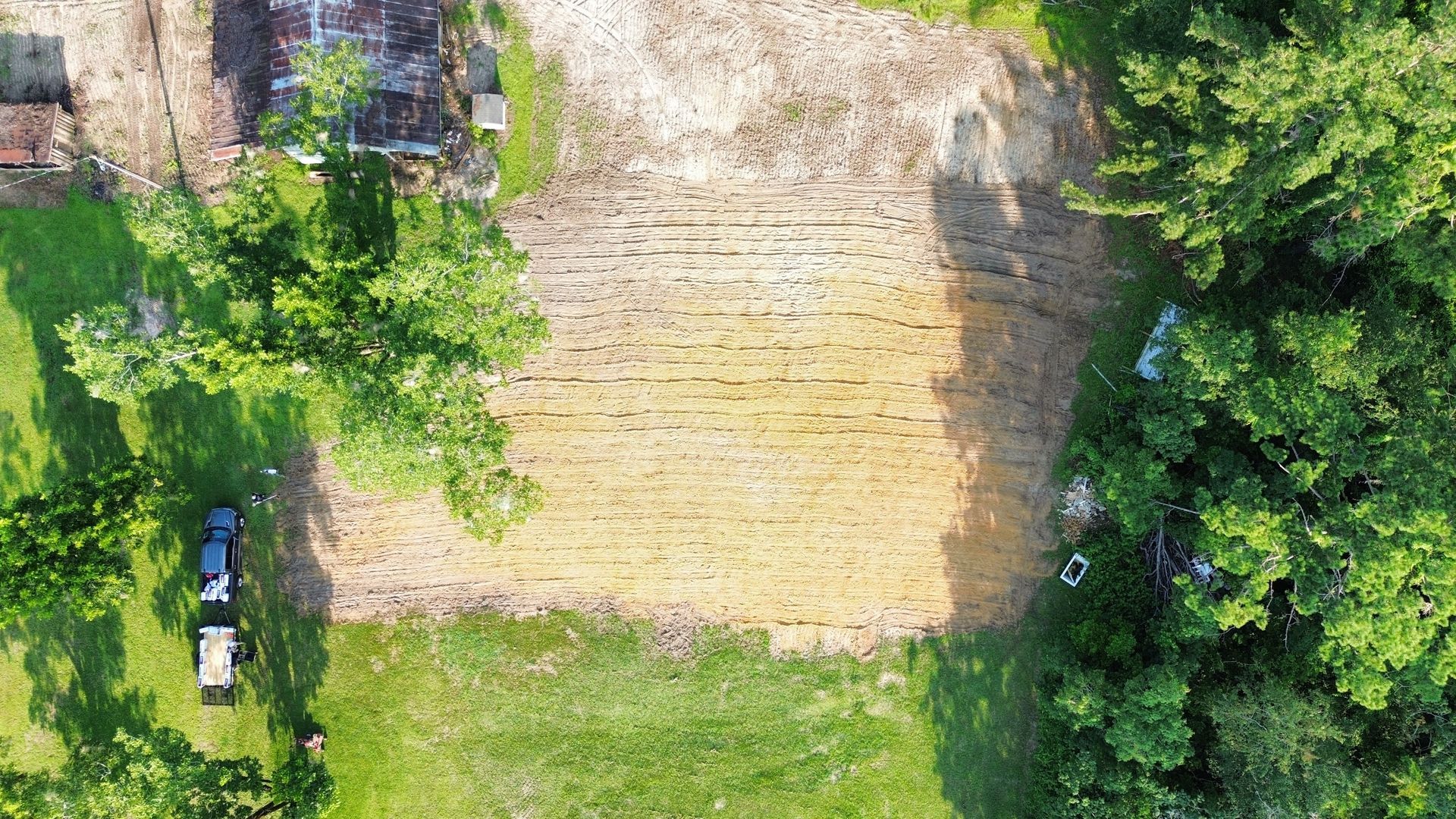
Installing a lawn using hydroseeding eliminates the patchiness that comes from hand-seeding large areas or the expense of laying sod across entire properties. The slurry method distributes seed at uniform density, so coverage develops consistently without thin zones where weeds take hold or thick clumps where grass competes for light. SNAP Hydroseeding prepares soil by testing pH and adjusting grade to direct water away from structures, then selects grass varieties based on sun exposure and how the property will be used—whether it needs to handle foot traffic, stay green with minimal input, or tolerate shade under tree canopies common to residential lots in Douglas.
Proper soil preparation includes removing construction debris, loosening compacted layers left by heavy equipment, and incorporating organic matter if native soil lacks structure. Seed selection depends on whether the lawn will face full sun, partial shade, or areas that stay wet after rain, with blends chosen for root development speed and heat tolerance during establishment.
Schedule a consultation before beginning your lawn project to review soil conditions and determine the best approach for your property.
What Proper New Lawn Installation Requires
New lawn installation starts with grading that creates positive drainage away from foundations and low spots where water pools. Soil testing identifies pH imbalances or nutrient deficiencies that would slow germination, and amendments are incorporated before hydroseeding to give roots the environment they need. The hydroseeding mixture includes starter fertilizer that feeds seedlings during the first growth phase, reducing the need for additional applications until the lawn reaches mowing height.
Once the lawn fills in, you'll notice uniform color and blade density across the entire treated area, without the seams visible in sod installations or bare patches common with broadcast seeding. The grass handles mowing without tearing because roots have anchored deeply into prepared soil rather than sitting in a shallow sod layer. Established turf resists weed invasion better than thin lawns because dense coverage blocks light from reaching the soil surface where weed seeds germinate.
The service includes selecting grass types that match your maintenance preferences—some varieties stay shorter and require less frequent mowing, while others tolerate drought without irrigation once roots reach deeper soil layers. New lawns benefit from watering schedules that encourage deep root growth rather than frequent shallow watering that keeps roots near the surface where heat stress is greatest.
What Homeowners Ask About New Lawns
Property owners planning lawn installation want to understand what affects results and how quickly they'll see usable turf.
What soil preparation makes the biggest difference in lawn success?
Loosening compacted soil to a depth of four to six inches allows roots to penetrate freely, and correcting drainage issues prevents standing water that drowns seedlings or creates fungal conditions.
How does hydroseeding coverage compare to sod installation?
Hydroseeding costs significantly less per square foot, establishes deeper root systems because seeds germinate in place rather than adjusting from transplant shock, and allows custom seed blends rather than accepting whatever sod variety is available.
When should new lawns in Douglas be installed for best results?
Spring installations benefit from moderate temperatures and seasonal rainfall, while fall seeding allows roots to establish before summer heat, though both windows produce healthy lawns with appropriate irrigation.
What does the lawn look like during the first few weeks after hydroseeding?
The mulch layer gives the ground a green or tan coating depending on the product used, then grass blades emerge through that layer as germination progresses, gradually covering the mulch as growth continues.
How often does a newly hydroseeded lawn need watering during establishment?
Light watering two to three times daily keeps the seed zone moist without creating runoff, continuing until grass reaches two inches tall and roots anchor, then transitioning to deeper, less frequent watering.
SNAP Hydroseeding evaluates your property's soil, drainage, and sun exposure to recommend a seed blend and preparation plan tailored to your goals. Request a free estimate to discuss timeline and project details for your new home, business, or large property.