
Grass That Takes Root and Stays Healthy
Hydroseeding in Douglas for fast, uniform lawn establishment on residential and commercial properties
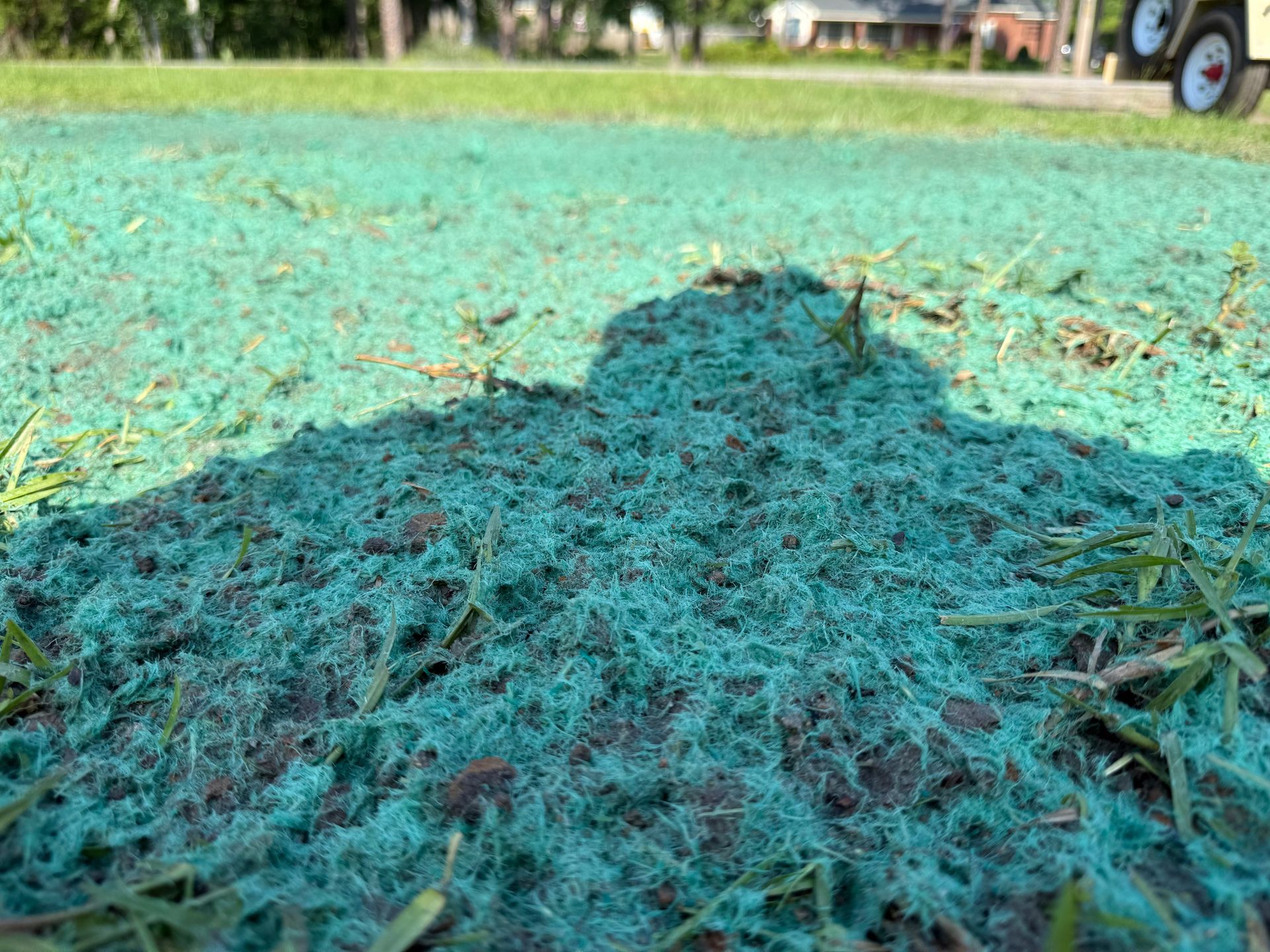
SNAP Hydroseeding applies seed, mulch, fertilizer, and water-retaining materials in one uniform mixture that covers ground evenly and holds moisture where grass needs it most. This method delivers faster germination than hand seeding because the slurry maintains consistent contact between seed and soil while the mulch layer shields against erosion and temperature swings. Properties in Douglas see visible growth within days when conditions align, and the protective mulch layer keeps seeds anchored even during heavy rain events common to this region.
The process works by spraying a blended mixture under pressure, distributing seed at controlled rates across prepared soil. Fertilizer in the slurry feeds emerging roots, while tackifiers bond the mulch to slopes and uneven terrain. Water-retaining polymers absorb rainfall and release it gradually, reducing the number of times you need to irrigate during the establishment period.
Schedule a consultation to evaluate your property's soil conditions and determine the best seed blend for your lawn goals.
What Happens After the Slurry Application
Once the hydroseeding mixture dries on your soil, the mulch forms a protective mat that stabilizes the surface and holds seeds in place. SNAP Hydroseeding tailors each project to match soil pH, drainage patterns, and sun exposure, selecting grass varieties that handle local heat and humidity. The water-retaining materials in the slurry keep the seed zone moist longer than bare soil would, which matters during dry spells between spring and early summer.
You'll notice green shoots emerging across the treated area within seven to fourteen days, depending on temperature and watering frequency. Coverage develops uniformly because the slurry distributes seed at consistent density, eliminating the patchy results that come from broadcast spreading. Once the grass reaches mowing height, the root system has anchored into the soil, and the lawn can handle foot traffic without damage.
The application includes erosion protection that matters for sloped yards and properties near drainage paths. Mulch fibers interlock to resist washout during storms, keeping seeds and soil in place until roots take over that stabilization role. This dual function makes hydroseeding suitable for agricultural land, new construction sites, and residential yards where runoff has been a recurring problem.
Questions About Getting Your Lawn Started
Property owners in Douglas often ask how hydroseeding compares to other methods and what the process requires on their end.
What soil preparation does hydroseeding require before application?
The ground needs grading to remove debris and establish drainage flow, then loosening the top layer so roots can penetrate without hitting compacted zones.
How does the hydroseeding mixture stay on sloped areas without washing away?
Tackifiers in the slurry create a bond between the mulch fibers and soil surface, forming a mat that resists water movement until vegetation roots provide permanent anchoring.
When is the best time to schedule hydroseeding in Douglas?
Early spring and fall offer moderate temperatures and higher rainfall, reducing irrigation demand during germination, though summer applications succeed with consistent watering.
What makes hydroseeding more efficient than traditional seeding methods?
The slurry applies seed, fertilizer, and mulch in one pass, cutting labor time and ensuring even distribution that hand spreading cannot match on large or irregular terrain.
How long does it take before the lawn can handle regular use?
Most grasses reach mowing height within three to four weeks, and the root system supports foot traffic after the second or third mowing cycle.
SNAP Hydroseeding evaluates your property's soil type and drainage before recommending a seed blend and application plan. Request an estimate to review project details and timing for your residential, commercial, or agricultural property.