
Yards That Fill In Fast and Stay Thick
Residential Hydroseeding in Douglas for new homes, lawn renovations, and properties replacing damaged turf
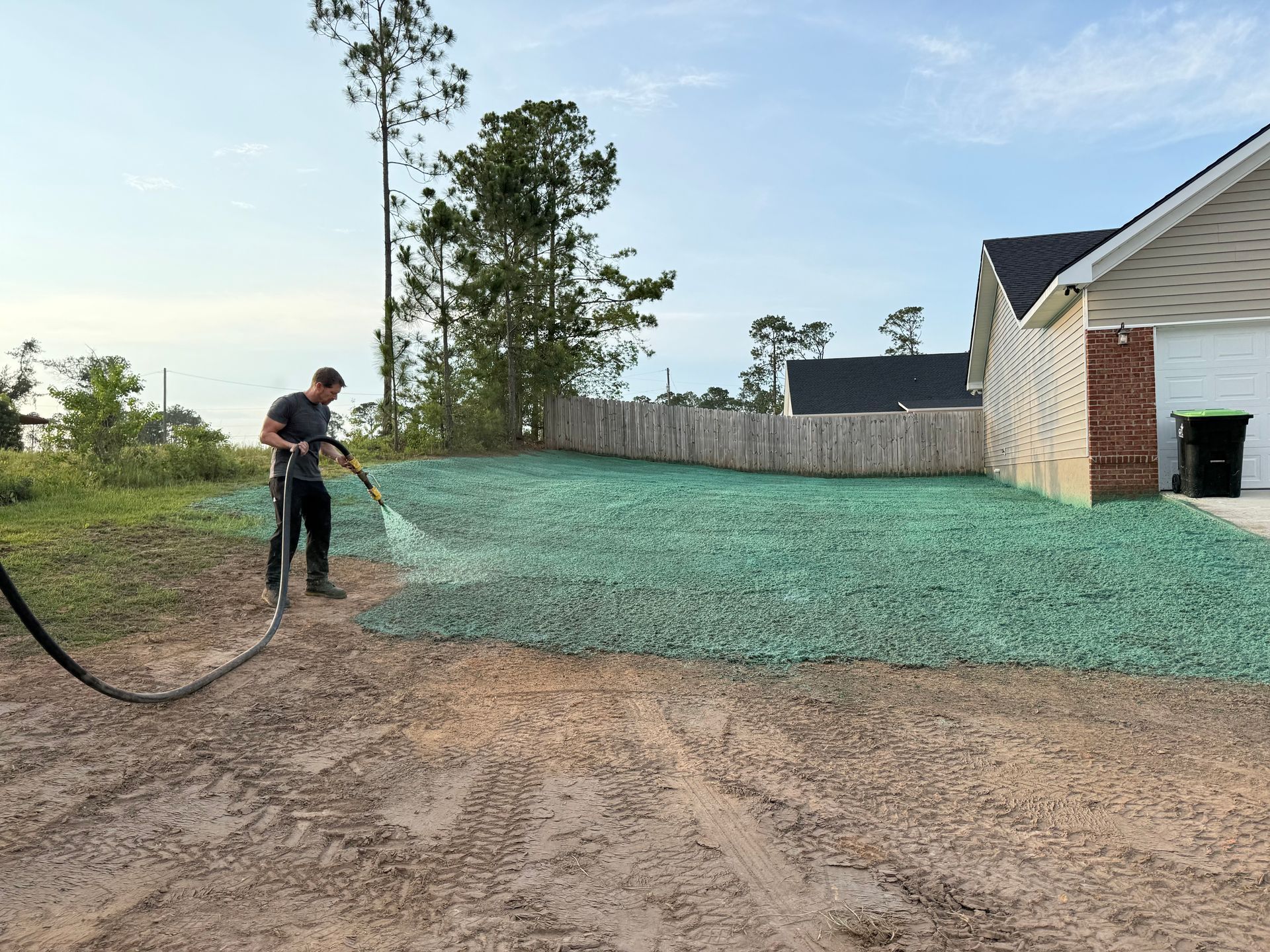
Homeowners replacing failed lawns or establishing grass on new construction lots benefit from hydroseeding's speed and cost advantage over sod, combined with better coverage than hand-seeding delivers. The slurry coats soil evenly, placing seed in direct contact with the ground while the mulch layer holds moisture that keeps the seed zone hydrated between watering sessions. SNAP Hydroseeding customizes each residential project by evaluating sun exposure, soil drainage, and how the lawn will be used—whether it needs to tolerate kids and pets, stay green with minimal care, or fill in shaded areas where previous attempts failed—then selects grass varieties that match those conditions and the homeowner's maintenance preferences.
The process suits yards of any size, from small infill lots to multi-acre properties, and handles slopes or irregular terrain where sod installation would require extensive cutting and fitting. Improved moisture retention from the water-absorbing polymers in the slurry reduces the irrigation frequency needed during establishment, which matters during dry spells or for homeowners without automated sprinkler systems.
Request a free estimate to discuss your lawn goals and review seed options for your home or renovation project.
What Makes Residential Hydroseeding Effective
Residential hydroseeding starts with soil evaluation to identify drainage problems, pH imbalances, or compaction that would prevent healthy root development, then addresses those issues before application. The seed blend is chosen based on how much sun the yard receives, whether the area stays wet or drains quickly, and what kind of maintenance the homeowner wants to commit to long-term. Starter fertilizer in the mixture feeds seedlings immediately, accelerating the early growth phase when grass is most vulnerable to heat stress or weed competition.
Once the lawn matures, you'll notice thick blade density that resists weed intrusion and handles foot traffic without thinning out in pathways or play areas. The grass stays greener during dry periods because roots grow deeper into the soil where moisture persists longer than the shallow root zone of sod or poorly established hand-seeded lawns. With proper mowing height and seasonal fertilization, the turf maintains its density and color year after year, requiring less frequent over-seeding than lawns that started thin.
Recommendations include guidance on watering schedules that promote deep root growth rather than shallow daily watering that keeps grass dependent on constant moisture. Some homeowners choose grass varieties that go dormant during peak summer heat to reduce water use, while others prefer blends that stay actively growing with regular irrigation, depending on aesthetic priorities and utility costs.
Answers to Frequent Homeowner Questions
Residents planning lawn projects want to understand what to expect during establishment and how long results last.
What makes hydroseeding better for homeowners than buying sod?
Hydroseeding costs a fraction of sod installation, establishes deeper roots because seeds germinate in your existing soil rather than adjusting from transplant, and allows custom grass selection instead of accepting whatever sod variety the supplier carries.
How long before a hydroseeded lawn can handle kids and pets?
Light use is fine once grass reaches three inches and has been mowed twice, typically four to six weeks after application, with full durability developing after roots anchor through the first few mowing cycles.
Why does moisture retention matter during lawn establishment in Douglas?
Summer heat and humidity create conditions where surface soil dries quickly between watering sessions, and the water-retaining polymers in hydroseeding slurry keep the seed zone moist longer, reducing germination failures from dry-out periods.
What does proper maintenance look like after the lawn establishes?
Mowing at three inches or higher keeps grass blades shading the soil to reduce weed germination, and watering deeply once or twice per week encourages roots to grow down rather than staying shallow where heat stress occurs.
How does hydroseeding handle shaded areas under trees or along fence lines?
Shade-tolerant fescue blends are selected for those zones, providing coverage where sun-loving grasses like Bermuda would thin out and invite weeds or moss.
SNAP Hydroseeding provides personalized recommendations based on your yard's soil, drainage, and sun conditions to establish a lawn that meets your family's needs. Contact us to schedule a consultation and receive a free estimate for your residential property.