Lawns That Recover From Real Damage
Repair and Overseeding in Douglas for thin turf, bare patches, and erosion-damaged areas
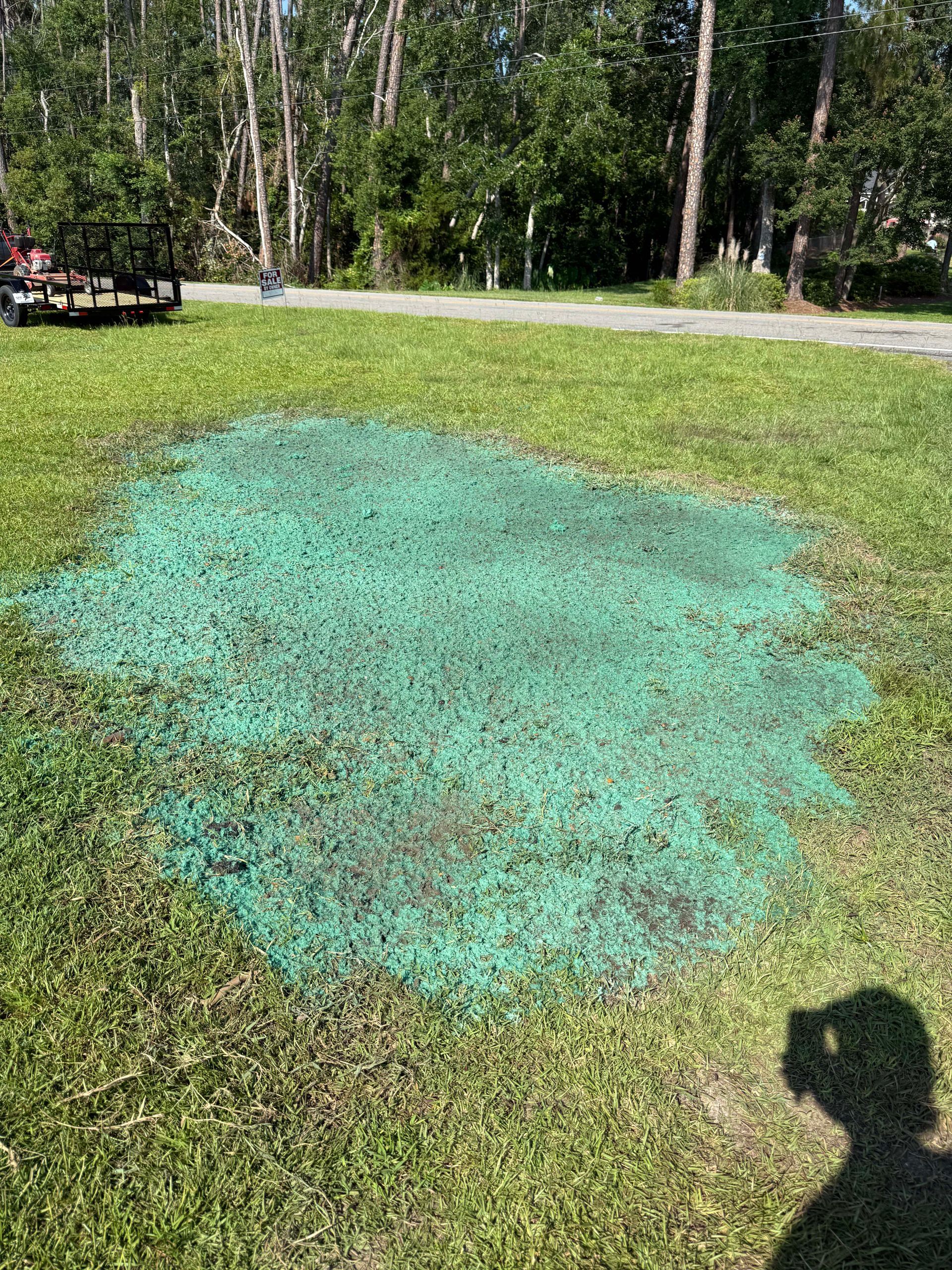
Thin grass, visible bare soil, and patchy sections develop when lawns endure heavy foot traffic, extended dry periods, or erosion that strips topsoil and seed. SNAP Hydroseeding provides repair and overseeding in Douglas to restore density where existing turf has thinned or failed completely. The process introduces new seed directly into damaged areas while supporting the root systems already present, rebuilding coverage without removing what remains healthy.
Overseeding distributes seed across weakened turf, filling gaps between existing grass plants and thickening the overall stand. The new growth establishes alongside older roots, creating a denser mat that resists weed invasion and erosion more effectively than sparse coverage. This approach works particularly well for lawns that still have viable grass but lack the thickness needed to withstand regular use or seasonal stress.
Schedule a lawn evaluation to identify which sections require repair and determine seed selection based on current turf type..
What Happens When New Grass Fills Thin Areas
Overseeding begins with preparing damaged sections so seed contacts soil rather than sitting on top of dead thatch or compacted ground. Seed is applied at rates calculated to match existing grass density, ensuring new plants establish without overcrowding or competing excessively for moisture. The seed mixture typically mirrors the species already present, maintaining uniform appearance and growth patterns across repaired and undamaged sections.
Once new grass germinates and reaches mowing height, the lawn shows visibly thicker coverage where bare soil or thin patches previously appeared. Erosion slows as root systems spread and knit soil together, reducing washout during heavy rain. The repaired areas blend with surrounding turf as the new growth matures, eliminating the patchwork look that signals underlying damage.
Repair work extends lawn lifespan by addressing damage before it expands into larger dead zones that require full renovation. Areas subjected to heavy use, such as pathways worn by foot traffic or sections where water runoff concentrates, regain the resilience needed to handle ongoing stress. The density gained through overseeding also suppresses weed germination by eliminating the open soil weeds exploit for establishment.
Questions Before Starting Your Project
Property owners in Douglas often ask about timing, preparation, and what to expect as new grass establishes in repaired sections.
How does overseeding differ from starting a lawn from scratch?
Overseeding introduces seed into existing turf, working with the root systems and soil structure already present, rather than stripping everything and beginning with bare ground. The process builds density without the full timeline or soil disruption that complete renovation requires.
What preparation does damaged turf need before seeding?
Compacted soil benefits from aeration to allow seed contact with soil and improve water infiltration. Thatch buildup may need removal so seed reaches the ground rather than sitting on dead material where it cannot germinate.
When should erosion-damaged areas be repaired?
Addressing erosion before seasonal rain begins prevents further soil loss and allows new grass to establish root systems that stabilize vulnerable slopes or drainage paths. Delaying repair allows damage to expand as runoff continues washing away topsoil.
How long before repaired areas match surrounding grass?
New grass typically reaches mowing height within two to three weeks under consistent moisture, though full maturity and color matching occurs over several months as root systems deepen and blade density increases.
What factors affect how well overseeding restores thin lawns?
Soil quality, moisture availability during germination, and the extent of existing turf damage all influence establishment success. Severely compacted or nutrient-depleted soil may require amendment before seed can establish effectively.
SNAP Hydroseeding works with property owners throughout Douglas to restore lawns affected by erosion, traffic damage, and seasonal stress. Request a site assessment to review which repair methods suit your lawn's current condition and usage patterns.