Foundation Work That Determines Grass Success
Soil Preparation in Douglas for compacted ground, construction debris, or nutrient-depleted areas before hydroseeding
Hydroseeding fails on unprepared soil—compacted surfaces shed water instead of absorbing it, buried debris creates dry pockets where roots cannot penetrate, and untested pH levels leave seeds struggling in acidic or alkaline conditions that prevent nutrient uptake. Soil preparation addresses these issues through grading to correct drainage, debris removal to eliminate barriers to root growth, and soil conditioning with lime or compost to create the friable, nutrient-rich base that grass requires for healthy establishment. SNAP Hydroseeding includes preparation services with seeding projects in Douglas, recognizing that skipping this step costs more in failed germination and reseeding than investing in proper site preparation from the beginning.
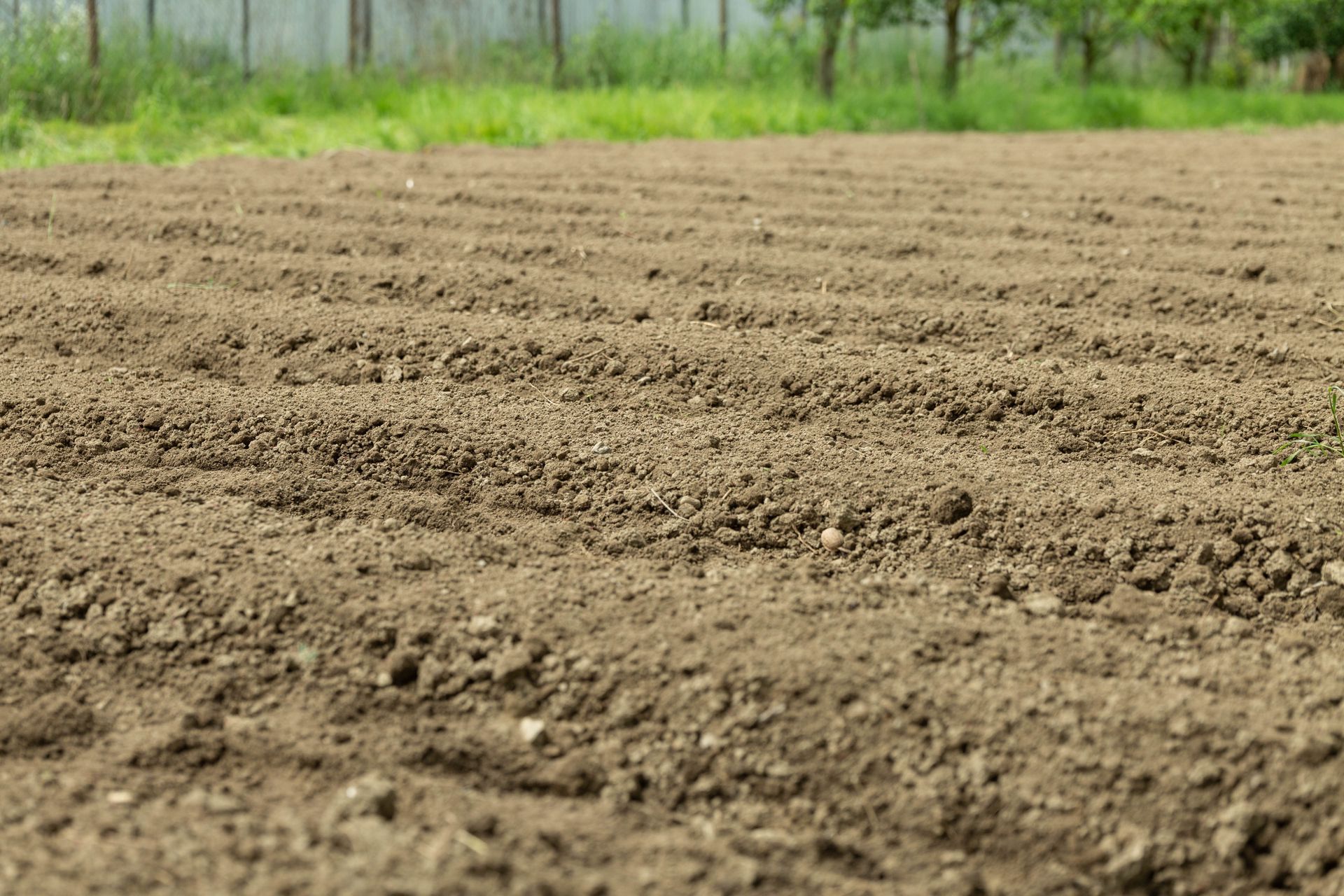
Preparation begins with evaluating existing soil conditions: compaction levels that resist water infiltration, organic matter content that affects nutrient availability, and pH values that determine whether lime or sulfur amendments are needed. Grading corrects low spots where water pools and high spots where soil dries out too quickly, while tilling breaks up compacted layers that prevent root penetration. Debris removal eliminates rocks, construction waste, and old root masses that create voids in the soil profile.
Include soil preparation with your hydroseeding project to improve seed-to-soil contact and long-term lawn performance.
The Difference Between Prepared and Unprepared Ground
Proper soil preparation involves more than surface raking—it requires adjusting soil structure, fertility, and drainage to match the needs of the grass species being seeded. Sandy soils common in Douglas drain quickly but lack nutrient retention, requiring compost incorporation to improve water-holding capacity. Clay-heavy soils resist drainage and form surface crusts that block seedling emergence, requiring aeration or sand blending to improve porosity. Soil testing reveals pH imbalances and nutrient deficiencies that amendment applications correct before seeding occurs.
After preparation completes, hydroseeding adheres better to the soil surface, seeds make consistent contact with mineral particles rather than mulch or debris, and roots penetrate evenly across the entire seeded area. You'll notice faster germination, thicker grass coverage with fewer bare patches, and improved drought tolerance because roots access deeper soil moisture. Prepared soil also reduces long-term maintenance by supporting healthier turf that resists weeds, disease, and traffic damage.
Soil preparation does not guarantee perfect results if irrigation, mowing, or fertilization are neglected after seeding, but it eliminates the most common causes of poor establishment and creates conditions where grass can thrive with standard maintenance. Properties with severe grading issues or contaminated soil may require additional engineering or remediation beyond standard preparation services.
Questions Before Starting Your Project
Property owners considering hydroseeding often ask about the necessity, cost, and timing of soil preparation before committing to the full project.
What happens if soil preparation is skipped before hydroseeding?
Seeds germinate unevenly on unprepared soil, with compaction and pH issues causing thin coverage, slow growth, and higher failure rates that require overseeding or replanting.
How is soil compaction measured and corrected?
Compaction testing uses a penetrometer to measure resistance, and correction involves mechanical aeration, tilling, or ripping to break up dense layers and restore porosity.
Does soil preparation include grading and drainage corrections?
Basic preparation includes minor grading to eliminate standing water and smooth high spots, but major regrading or drainage installation are separate services priced according to site conditions.
When should soil testing occur relative to seeding?
Testing should happen weeks before seeding to allow time for amendment applications like lime to adjust pH, which requires several weeks to react with soil particles.
What soil conditions in Douglas most commonly require amendment?
Low pH below 6.0 and sandy texture with poor water retention are frequent issues, requiring lime to raise pH and organic matter to improve nutrient availability and moisture retention.
SNAP Hydroseeding evaluates soil conditions, compaction levels, and nutrient status to recommend preparation steps that match your property's needs and improve hydroseeding outcomes. Contact us to schedule a site evaluation and discuss preparation requirements before your seeding project begins.