
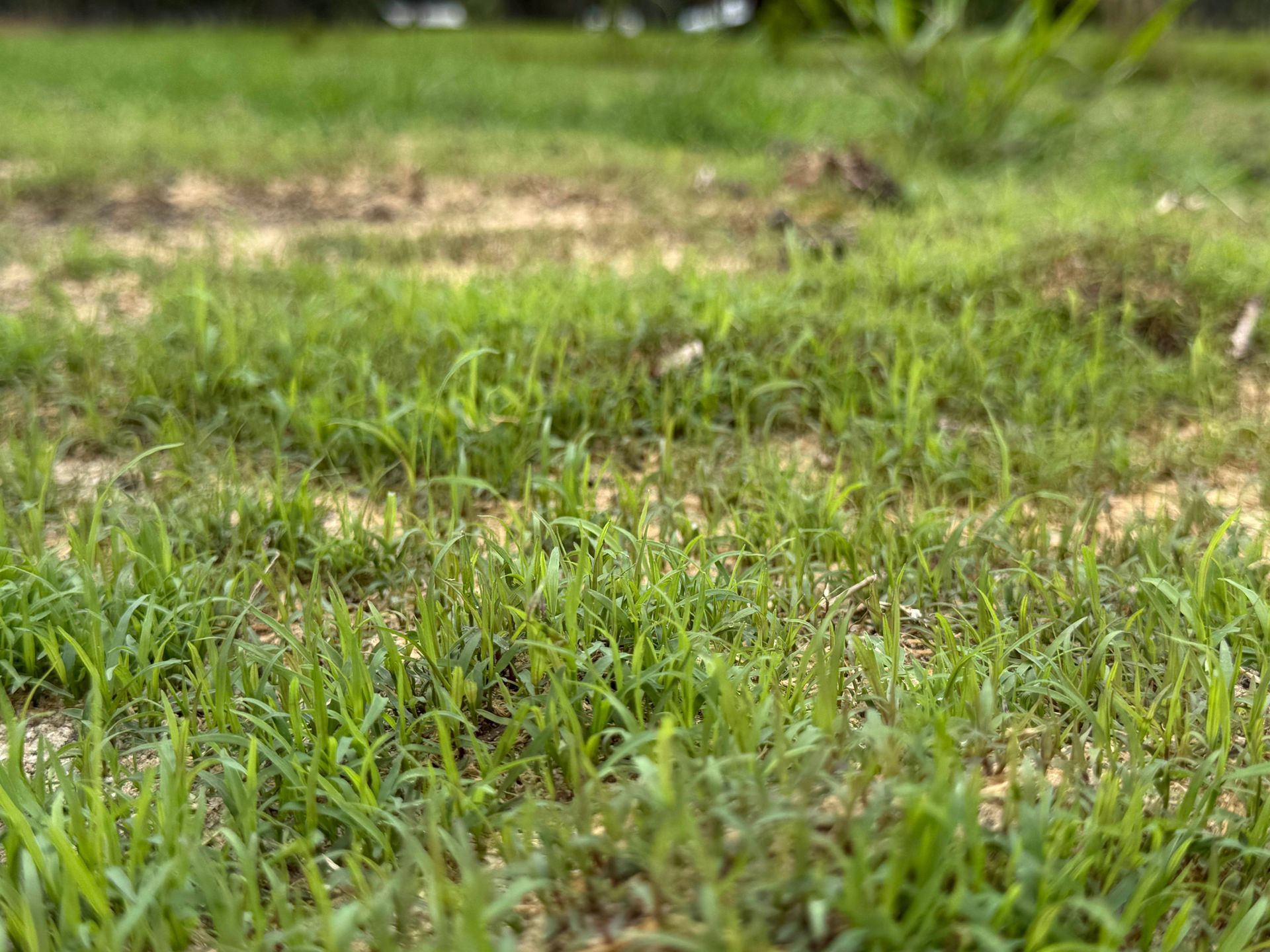
Durable Ground Cover for Livestock and Open Land
Pasture and Field Seeding in Douglas for farms needing reliable forage and erosion-resistant vegetation
Establishing grass across large acreage with uneven terrain and varying soil quality requires more than broadcasting seed and hoping for rain. SNAP Hydroseeding delivers pasture and field seeding that binds seed, fertilizer, and mulch into a single application, ensuring even distribution across slopes, low spots, and compacted areas where livestock traffic or equipment use has worn away vegetation. The slurry matrix improves seed-to-soil contact, holds moisture longer than dry seeding, and reduces the percentage of seed lost to birds, wind, or runoff.
Agricultural properties benefit from customized seed recommendations based on whether the land supports cattle, horses, hay production, or rotational grazing. Tall fescue and bahiagrass varieties tolerate heavy grazing pressure and summer heat common in southern Georgia, while clover blends improve nitrogen availability and forage quality. Hydroseeding covers large fields faster than manual seeding and adapts to irregular shapes, fence lines, and areas around ponds or wooded edges.
Discuss your pasture goals and current land conditions to identify the seed blend and application rate that match your farm's needs.
How Field Seeding Addresses Poor Coverage
Field seeding begins with soil testing or visual assessment to determine pH levels, nutrient deficiencies, and drainage issues that affect grass establishment. Lime or fertilizer amendments are incorporated into the hydroseeding slurry when soil tests indicate low pH or insufficient nutrients for germination. The mulch component protects seeds from drying out during the two-week germination window and reduces soil temperature fluctuations that slow root development.
Once grass matures, landowners notice thicker ground coverage that resists mud formation in high-traffic areas, improved water infiltration that reduces standing water after storms, and healthier forage that supports more livestock per acre. Fields seeded with appropriate blends also require less frequent reseeding and maintain better soil structure over time.
Pasture seeding works best when scheduled during fall or early spring, when soil temperatures support germination and rainfall patterns provide consistent moisture without prolonged flooding. Summer seeding requires irrigation or acceptance of slower establishment rates.
Answers to Frequent Service Questions
Landowners managing farms and agricultural properties typically want to know about seed selection, timing, and maintenance after hydroseeding.
What grass types hold up to grazing pressure?
Tall fescue and bermudagrass withstand repeated hoof traffic and recover quickly after grazing, while bahiagrass tolerates lower fertility and resists drought stress common in Douglas during summer months.
When should livestock be kept off newly seeded pastures?
Grass needs six to eight weeks of growth before tolerating grazing, allowing roots to anchor deeply enough to survive pulling and compaction.
How does hydroseeding compare to broadcasting seed by hand or tractor?
Hydroseeding applies seed, mulch, and starter fertilizer in one pass with better adhesion to soil, reducing seed loss and improving germination rates compared to dry broadcasting methods.
What soil conditions prevent successful grass establishment?
Heavily compacted soil, standing water, or extreme acidity below pH 5.0 slow germination and root growth, requiring soil amendments or drainage improvements before seeding.
Does hydroseeding work on fields with existing thin grass?
Hydroseeding over thin stands fills bare patches and thickens coverage without requiring full soil disturbance, though overseeding works best when existing vegetation is mowed short before application.
SNAP Hydroseeding evaluates soil conditions, grazing patterns, and property layout to recommend seed blends and application strategies that improve long-term pasture performance. Request a consultation to review your field conditions and seasonal timing for seeding your agricultural property.